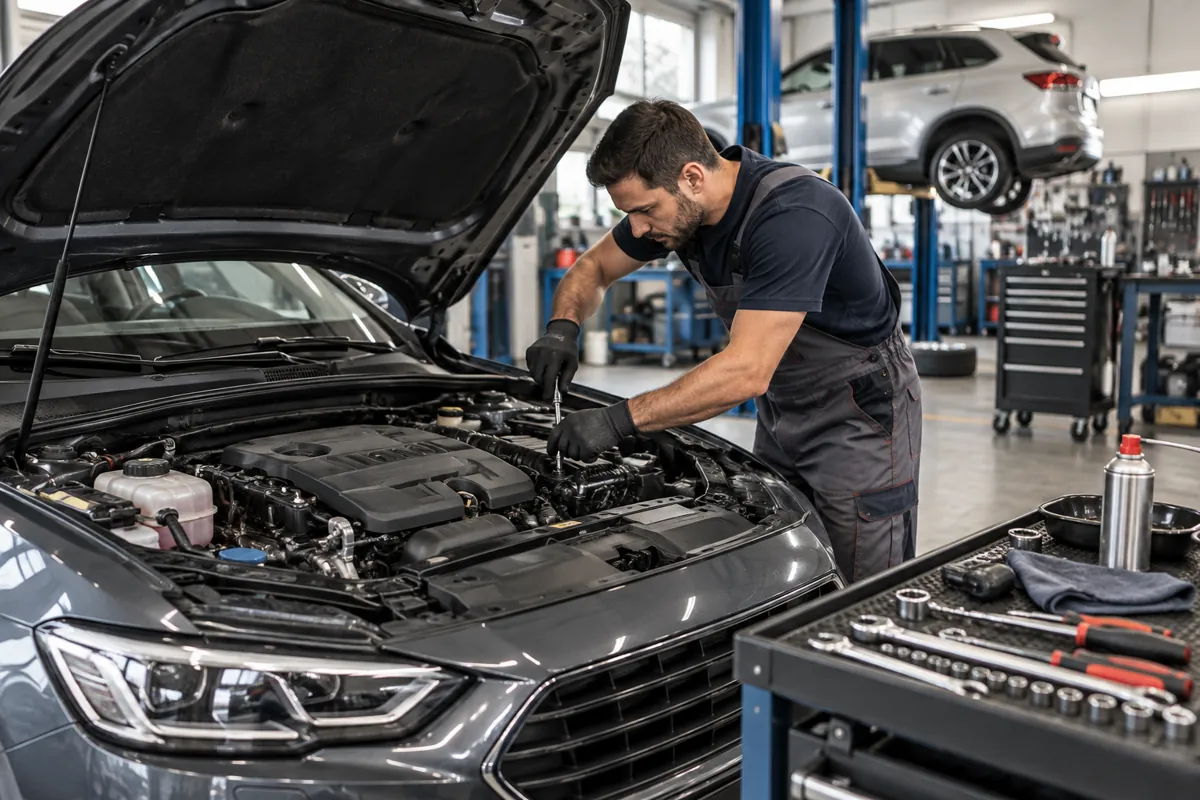
Car Maintenance & Repair
Oil changes, tires, brakes and common repairs
Introduction
Car maintenance and repair are essential components of vehicle ownership that directly impact safety, reliability, and long-term costs. Regular upkeep ensures that cars run efficiently, prevents breakdowns, and extends vehicle lifespan. For car owners, understanding the scope of maintenance tasks and repair processes can save hundreds or even thousands of dollars annually.
In a world where transportation depends on personal vehicles, knowing how to maintain and repair a car has economic and practical importance. From routine oil changes to complex engine repairs, this comprehensive guide aims to clarify the core concepts, operational processes, and best practices for car upkeep.
Definition and core concepts
Car maintenance involves scheduled procedures meant to keep a vehicle functioning optimally. These include tasks like oil changes, tire rotations, brake inspections, and fluid top-ups. Repair, on the other hand, addresses unexpected issues such as engine failures or transmission problems that require fixing or replacing parts.
Fundamentally, vehicle maintenance relies on a manufacturer-recommended service schedule. For example, Honda suggests oil changes every 7,500 miles for their newer models, while some older vehicles may require changes every 3,000 miles. Adherence to these schedules helps prevent costly repairs and maintains vehicle performance.
Core concepts in car maintenance include understanding vehicle lifespan, cost management, safety protocols, and the importance of preventive upkeep. Good maintenance practices can extend a car's average lifespan from 10 years and 150,000 miles to over 15 years and 200,000 miles, according to the Car Care Council.
Repair processes focus on diagnosing issues efficiently. Modern vehicles depend on complex electronic systems, meaning that technicians need specialized diagnostic tools. The outcome of repair work impacts safety, emissions, and the car’s resale value.
How it works
Maintaining a vehicle begins with regular inspections and scheduled services. Vehicle owners are advised to consult their owner’s manual, which lists recommended service intervals. For instance, inspecting tires every 5,000 miles and replacing brake pads every 20,000 miles are common recommendations. Following these guidelines minimizes wear and tear.
Technicians perform diagnostic tests by using OBD-II scanners, which connect to the car's onboard computer. These devices read error codes and identify malfunctions such as misfires or sensor failures. For example, if a diagnostic trouble code (DTC) P0420 appears, it indicates catalytic converter issues requiring repair or replacement.
The actual repair process involves removing faulty components, sourcing replacement parts, and reassembling the system. Replacement parts can be OEM (original equipment manufacturer) or aftermarket. OEM parts offer guaranteed fit, while aftermarket parts may be more affordable but vary in quality. A typical front brake pad replacement costs between 150 and 300 dollars, depending on the vehicle.
Specialized tools and knowledge are essential, especially for complex repairs like transmission rebuilds or engine overhauls. Some repairs take several hours, while others, such as replacing a headlight bulb, can be completed within minutes by a skilled technician.
Return-to-service involves testing the repaired system for proper operation, conducting road tests, and confirming that all safety standards are met. Proper documentation of repairs supplies a record that can increase the vehicle’s resale value and support warranty claims.
Practical application
For car owners, implementing routine maintenance involves creating a schedule aligned with manufacturer recommendations. This includes tasks such as checking tire pressure monthly, which should typically be maintained at 30 to 35 psi for safety and fuel efficiency. Correct tire pressure can improve fuel economy by 3.3 percent, according to the Department of Energy.
Monitoring fluid levels is also straightforward. Engine oil levels should be checked weekly using the dipstick, ensuring there is enough oil to lubricate engine components. Using synthetic oil can extend intervals between changes, with 5,000 to 10,000 miles recommended for some synthetic formulations.
Addressing minor issues early can prevent major repairs. For example, observing a slight brake squeal may indicate worn brake pads. Replacing them at around 20,000 miles, or sooner if there is a noticeable decrease in braking performance, is advisable. Neglecting such signs can lead to damaged rotors, which may cost up to 600 dollars to replace.
Modern vehicles require less maintenance but demand more diagnostic attention. Features like variable valve timing or direct fuel injection can lead to complex repairs but also provide efficiency gains. Understanding the vehicle's warning lights, such as the check engine light, can help owners identify problems promptly.
Seasonal matters also matter in car maintenance. Preparing a vehicle for winter by inspecting the antifreeze system, replacing windshield wipers, and testing the heating system prevents uncomfortable and unsafe driving conditions. Similarly, summer preparations include checking the cooling system to prevent overheating.
Proper maintenance routines contribute to the vehicle's resale value. A full-service history, showing consistent maintenance, can increase a car's resale price by up to 20 percent, according to Kelley Blue Book.
Using maintenance apps or service logs helps owners stay organized. Recording dates, mileage, and performed tasks ensures timely adherence to schedules and provides documentation for future repairs or resale.
In summary, the application of maintenance and repair skills involves proactive monitoring, adherence to manufacturer guidance, and timely intervention. This approach optimizes vehicle longevity and safety while minimizing repair costs.
Common mistakes
One frequent mistake is neglecting regular oil changes. Driving with old or contaminated oil can cause increased engine wear, which costs about 1500 dollars on average for an engine rebuild or replacement. Some owners wait until the oil change indicator light activates, but manual inspections reveal oil condition earlier, saving money and preventing damage.
Ignoring tire maintenance is another common error. Failing to check tire pressure regularly can lead to uneven tread wear, reduced fuel economy by up to 0.6 miles per gallon, and increased risk of blowouts. Over time, under-inflated tires significantly decrease safety and increase repair costs.
Delaying brake maintenance can be costly. Worn brake pads not only impair stopping distance but can damage rotors. Replacing brake pads early at around 20,000 miles can save up to 300 dollars compared to repairing damaged rotors, which can cost between 300 to 600 dollars.
Attempting complex repairs without proper training or tools often results in additional damage. Replacing a starter motor or fixing the transmission without professional expertise can turn a 200-dollar task into a 2000-dollar problem.
Finally, skipping routine inspections, especially before long trips or seasonal changes, leads to preventable breakdowns. This can include overlooked issues like faulty batteries, failing belts, or low coolant levels, all of which can cause vehicle failure or safety hazards.
Expert recommendations
Professionals advise adhering strictly to manufacturer maintenance schedules. For example, according to the Society of Automotive Engineers, following specific service intervals can extend vehicle lifespan by two to three years or 50,000 miles. This includes timely replacements of filters, fluids, and vital components.
Using quality replacement parts is critical. OEM parts often guarantee compatibility and retain the vehicle’s original performance, while reputable aftermarket brands can offer savings without compromising quality. For instance, replacing brake pads with ACDelco or Bosch parts can cost 20 to 30 percent less than OEM but still provide high performance.
Diagnostic tools have improved significantly, making repairs more accurate and quicker. Owners are encouraged to utilize professional diagnostics, especially when warning lights appear. Fuel system additives or cleaning services, recommended by manufacturers, can preserve engine efficiency when used periodically.
Regular training and certification are essential for technicians. ASE (Automotive Service Excellence) certified mechanics are trained to handle advanced systems like hybrid powertrains and electronic stability controls. Choosing certified professionals reduces the risk of incomplete or faulty repairs and ensures compliance with safety standards.
Conclusion
Understanding car maintenance and repair forms a foundation for responsible vehicle ownership. Routine tasks like oil changes, tire rotations, and fluid checks contribute to safety and reduce long-term costs. Recognizing warning signs and addressing issues early prevents costly repairs and enhances vehicle longevity.
Applying proper maintenance routines and consulting qualified professionals when necessary ensures that a vehicle remains reliable and safe over its lifespan. Well-maintained cars are more efficient, safer, and retain higher resale values.